
Kidney Disorders
Kidney disorders affect vital organs, disrupting function, causing symptoms and complications. They filter waste, fluids and toxins to form urine.
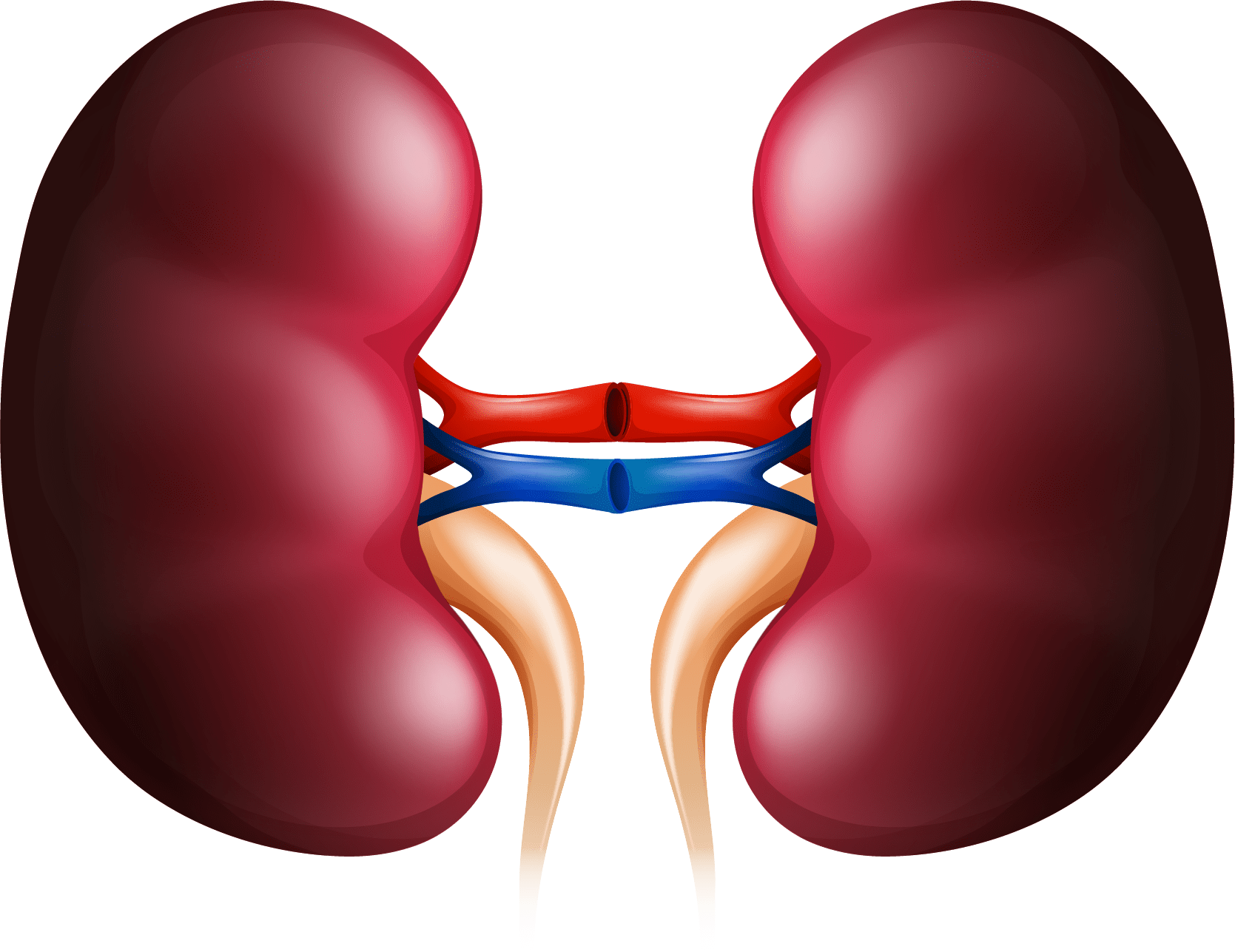
Filtration
Kidneys remove waste like urea, uric acid from blood through nephrons.
Fluid Balance
Regulates water, electrolyte levels to maintain homeostasis.
Hormone Production
Erythropoietin, renin, activate vitamin D for various physiological functions.
What are Kidney Disorders?
Kidney disorders refer to a wide range of conditions that affect the kidneys, which are vital organs. Moreover, organs responsible for filtering waste products, excess fluids and toxins from the blood to form urine. Furthermore, these disorders can disrupt the normal functioning of the kidneys, leading to various symptoms and complications.
The treatment for kidney disorders varies based on the condition and its root cause. It typically includes medications, lifestyle adjustments, dialysis or, in severe instances, kidney transplantation. In addition, timely detection and proper management plays a role in averting complications and safeguarding kidney function.
Treatment success varies based on condition, severity and individual health. Furthermore, early detection and management significantly improve outcomes.
Common Kidney Disorders
Stay informed about kidney disorders to safeguard your health. Familiarize yourself with common conditions like chronic kidney disease, kidney stones and urinary tract infections. Moreover, early detection and understanding symptoms can lead to timely intervention and better outcomes. Stay proactive about your kidney health for a healthier future.
Section 1
This is a long-term condition where the kidneys gradually lose their function over time. Additionally, CKD can be caused by conditions like diabetes, high blood pressure and glomerulonephritis.
Also known as acute renal failure, AKI occurs suddenly and can be caused by conditions such as dehydration, infections or medication toxicity. Furthermore, it often requires immediate medical attention.
These are hard deposits that form in the kidneys and can cause severe pain when they pass through the urinary tract. Additionally, they may result from dehydration, certain medical conditions or dietary factors.
Renal hypertension, also known as renovascular hypertension. This condition is characterized by high blood pressure. Additionally, caused by narrowing or blockage of the arteries supplying blood to the kidneys.
Section 2
Inflammation of the glomeruli, the small blood vessels in the kidneys responsible for filtering waste from the blood. Morieover, t can be caused by infections, autoimmune diseases or other underlying conditions.
This is a group of symptoms that indicate kidney damage, including proteinuria (excessive protein in the urine). Moreover, edema (swelling), high cholesterol levels and decreased protein levels in the blood.
While not solely kidney disorders, UTIs can affect the kidneys if left untreated, leading to complications. Moreover, pyelonephritis, a bacterial infection of the kidneys.
This is an inherited disorder characterized by the growth of cysts in the kidneys. In addition, it can impair their function over time and lead to complications such as high blood pressure and kidney failure.
Kidney Disorders - Treatment Recommendations
Stay informed about kidney disorders to safeguard your health. Familiarize yourself with common conditions like chronic kidney disease, kidney stones and urinary tract infections. Moreover, early detection and understanding symptoms can lead to timely intervention and better outcomes. Stay proactive about your kidney health for a healthier future.
Chronic Kidney Disease (CKD)
- Management of underlying conditions
- Medications to control symptoms
- Lifestyle changes healthy diet, regular exercise
- Dialysis or kidney transplant in advanced stages.
Polycystic Kidney Disease (PKD)
- Management of symptoms and complications
- Medications to control pain and slow cyst growth.
- Dialysis or kidney transplant in advanced stages.
- Genetic counseling to understand risks
Acute Kidney Injury (AKI)
- Treating underlying causes, dehydration, infection
- IV fluids to restore kidney function
- Medications to manage electrolyte imbalances
- Perform dialysis in severe cases.
Kidney Stones
- Pain management with medications
- Increased fluid intake to help pass the stone.
- Medications to dissolve or break down stones
- Surgical procedures to remove larger stones.
Glomerulonephritis
- Treatment of underlying infections
- Advise immunosuppressive medications.
- Control blood pressure and reduce proteinuria
- Genetic counseling to understand risks
Nephrotic Syndrome
- Medications to reduce proteinuria
- Perform diuretics to manage edema
- Dietary changes (e.g. low-sodium diet)
- Medications to lower cholesterol levels.
Urinary Tract Infections (UTIs)
- Antibiotics to treat bacterial infections
- Increased fluid intake to flush out bacteria
- Advise pain relievers for discomfort
- Proper hygiene, urinating after intercourse
Renal hypertension
- Prescribed drugs control blood pressure
- Healthy habits aid blood pressure
- Procedure widens artery, improves blood flow
- Removes damaged kidney, alleviates hypertension
What Causes Kidney Disorders?
It’s important to note that some kidney disorders may have multiple contributing factors and individual cases can vary widely in terms of cause and severity. Moreover, early detection and management of risk factors are crucial for preventing or slowing the progression of kidney disease.




Some kidney disorders are inherited, meaning they are passed down through families. Examples include polycystic kidney disease and Alport syndrome.
Bacterial infections such as urinary tract infections (UTIs) or viral infections like hepatitis or HIV can affect the kidneys. If left untreated, these infections can lead to kidney damage.
Conditions like lupus, IgA nephropathy and vasculitis are autoimmune disorders where the immune system mistakenly attacks the kidneys, causing inflammation and damage.
Chronic high blood pressure can damage the blood vessels in the kidneys, leading to kidney disease over time.
Physical injury to the kidneys, such as from a severe blow or accident, can cause immediate damage or lead to complications over time.
Blockages in the urinary tract, such as kidney stones, tumors or an enlarged prostate gland, can obstruct the flow of urine and cause kidney damage.
Diabetes, particularly type 2 diabetes, is a leading cause of kidney disease. High blood sugar levels can damage the small blood vessels in the kidneys, impairing their function.
This is a group of diseases that cause inflammation of the glomeruli, the tiny filters in the kidneys. Glomerulonephritis can be caused by infections, autoimmune disorders, or other conditions.
Frequent or poorly treated kidney infections can scar the kidneys and lead to long-term damage.
Certain medications, such as nonsteroidal anti-inflammatory drugs (NSAIDs), antibiotics and some blood pressure medications, can cause kidney damage.